
People Surviving Instability
People Surviving Instability Deserve Real Options
People navigating homelessness, addiction, or survival-based economies—including consensual sex work—are often placed under the broad label of “trafficking,” which obscures both autonomy and actual exploitation. When someone lacks housing, steady income, or medical stability, basic needs can be leveraged by predatory actors. But not every survival strategy is trafficking, and collapsing them together only harms the people most in need of support.
Our work emphasizes sex-worker–rights–based, dignity-first models that recognize autonomy while addressing the conditions that make coercion possible.
Rights-Based Approaches to Prevent Exploitation
Instability increases vulnerability, but it does not erase agency. Understanding the distinctions is essential:
Consensual Sex Work vs. Coercion – Many adults engage in sex work by choice or constrained choice; lumping them into trafficking responses leads to criminalization, not safety.
Basic-Needs Leverage – Lack of shelter, food, or transportation can make people dependent on those who then exploit them.
Punitive Policing – Criminalizing sex work, drug use, or homelessness pushes people further from services and increases their exposure to truly coercive situations.
Barriers to Health & Stability – Without low-barrier shelters, harm-reduction care, and consistent case management, people remain vulnerable to manipulation.
A rights-based approach acknowledges full personhood—and recognizes exploitation without erasing consensual labor.
Meeting People Where They Are
We partner with service providers, public agencies, and communities to build non-carceral, harm-reduction interventions that prioritize autonomy and safety for all, including sex workers. Our support includes:
Sex-worker–rights–aligned training that distinguishes consensual work from trafficking and avoids harmful overreach
Low-barrier, housing-first models that reduce reliance on unsafe individuals for shelter or basic needs
Harm-reduction outreach that offers medical care, supplies, and support without judgment or pressure
Clear, confidential reporting pathways that don’t risk criminalization for sex workers or people using substances
Continuity-of-care systems linking housing, medical, behavioral health, and legal assistance
Community education on identifying exploitative conditions without conflating sex work with trafficking
Our goal: reduce the leverage traffickers have by increasing options—not by policing survival strategies.
How Communities Can Take Action
Support organizations rooted in sex-worker rights and harm reduction:
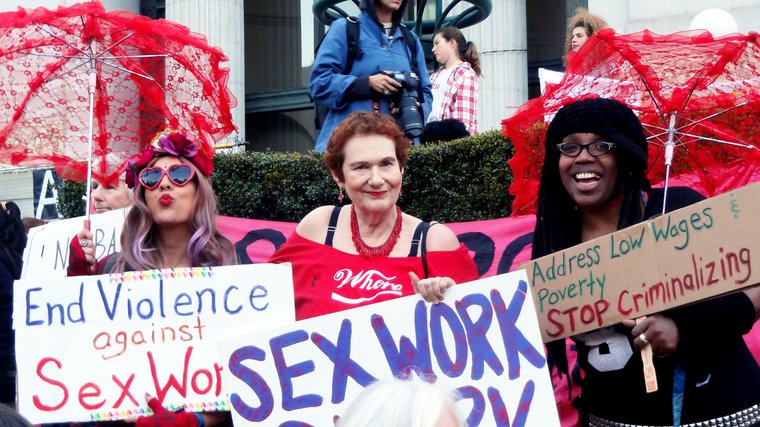
Advocate for decriminalization of survival economies that are often miscategorized as trafficking
Fund housing-first and medical-stabilization programs
Challenge harmful myths that erase the difference between consensual sex work and exploitation
Back outreach workers and programs that build trust with people shut out of traditional services

Get Involved!
Have a question, a project idea, or a situation you’re trying to make sense of? Reach out. We’ll point you toward next steps—whether that’s training, consulting, collaboration, or the right support.